Destination Overview
Hwange National Park, a name that resonates with the wild heart of Africa, is Zimbabwe’s largest and most treasured national park. Spanning an immense 14,651 square kilometers, this vast and untamed wilderness is a cornerstone of the Kavango-Zambezi Transfrontier Conservation Area, a monumental conservation initiative that links protected areas across five southern African countries. Situated in the northwestern corner of Zimbabwe, conveniently located between the bustling town of Victoria Falls and the historic city of Bulawayo, Hwange is a destination that captures the essence of a classic African safari. The park was founded in 1928 as a game reserve and later proclaimed a national park in 1961. It was established on land that was deemed unsuitable for agriculture due to its poor soils and scarce water. Today, through careful management and the provision of artificial water sources, Hwange has been transformed into a wildlife haven, renowned for its incredible biodiversity and, most notably, its colossal elephant herds. For travelers seeking an authentic and immersive safari experience, away from the crowds of more famous parks, Hwange offers a journey into a world of raw, natural beauty and thrilling wildlife encounters.
Wildlife Highlights
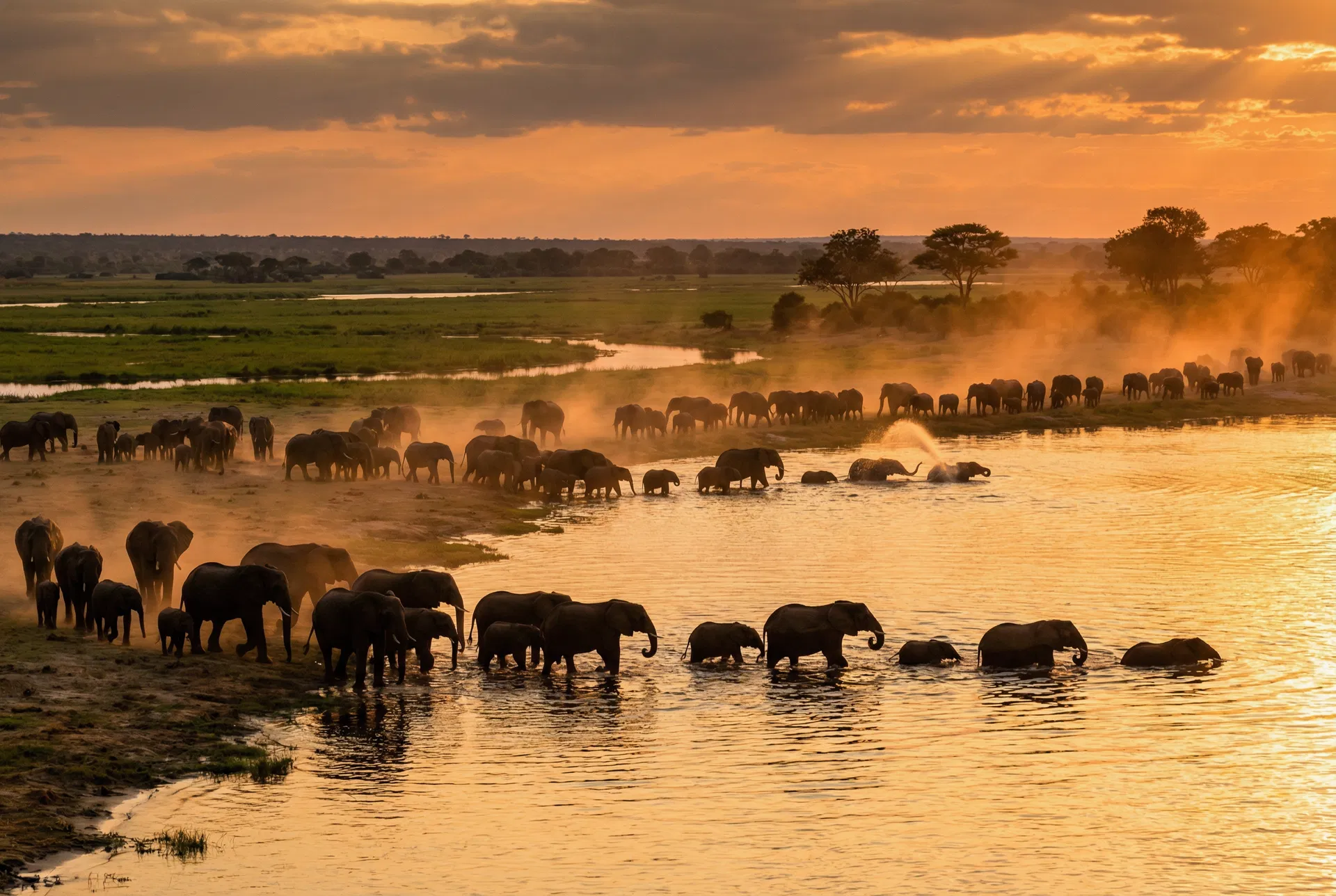
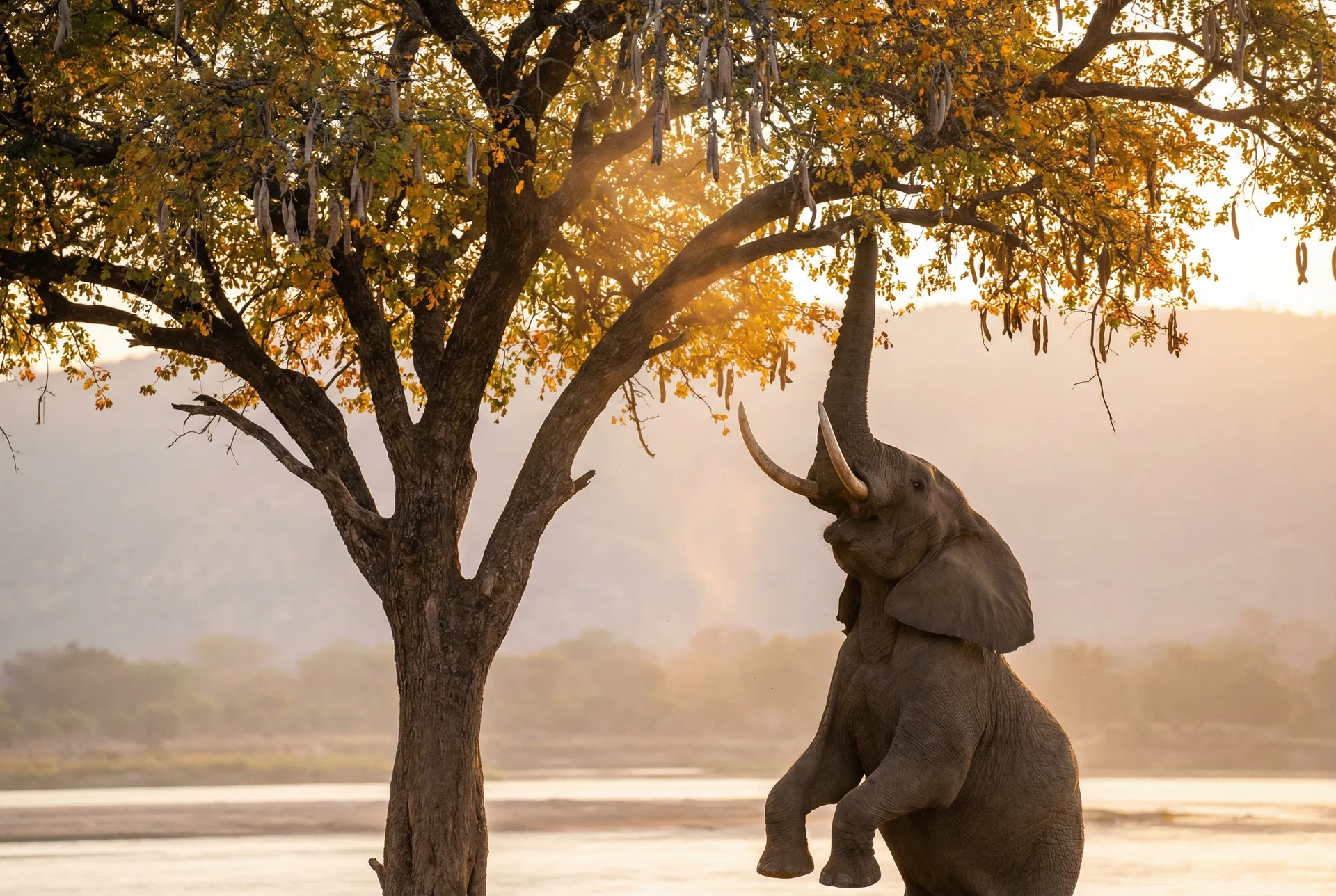
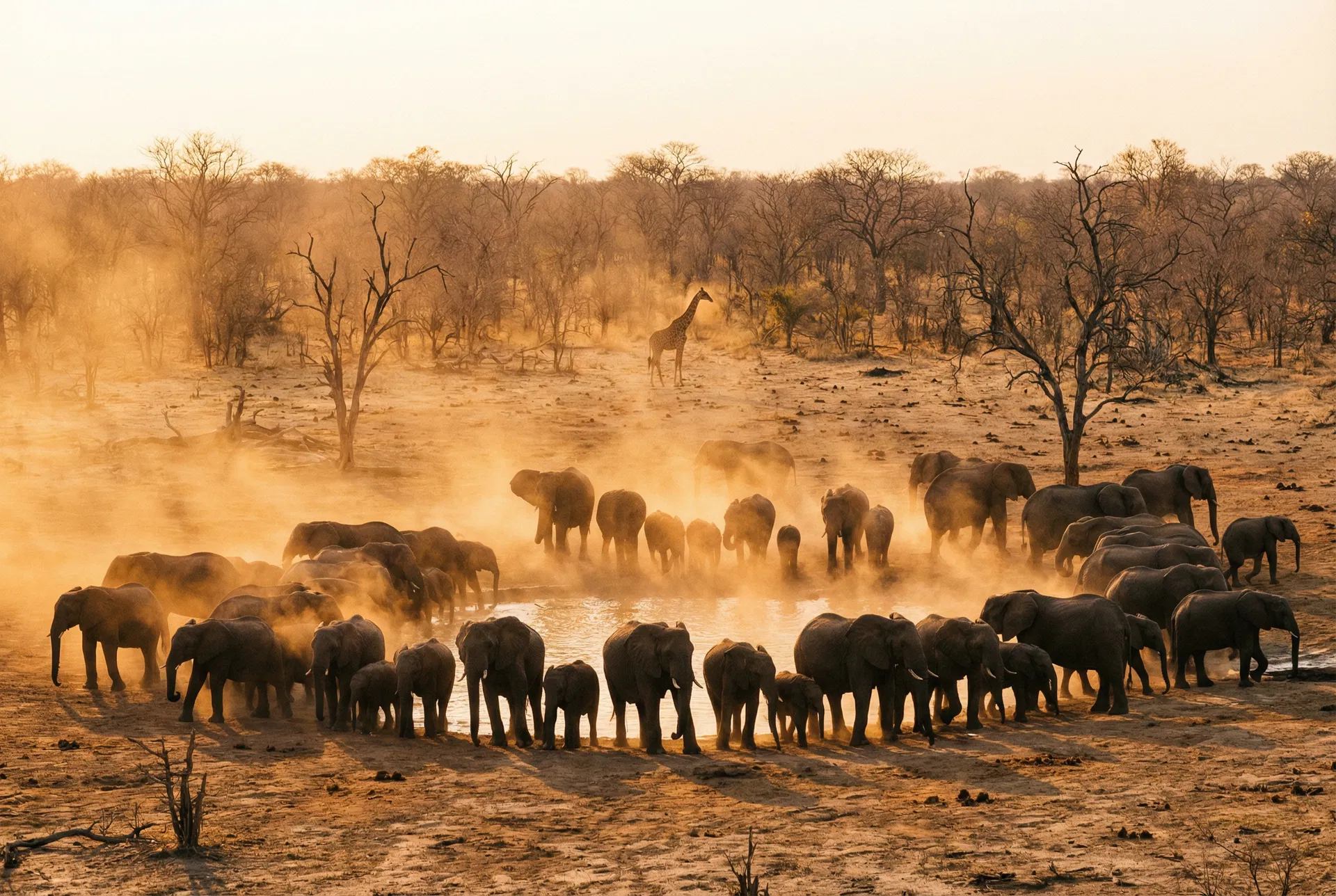
Hwange’s global reputation as a premier wildlife destination is built on its staggering diversity and abundance of animals. The park is a sanctuary for over 100 species of mammals and more than 400 species of birds, making it a paradise for wildlife enthusiasts and photographers alike. The undisputed kings of Hwange are the African bush elephants. The park is home to one of the world’s largest populations, with estimates ranging from 45,000 to 60,000 individuals. These gentle giants are a constant presence, often seen in large herds at the park's numerous waterholes, their social interactions a captivating spectacle to behold. Beyond the elephants, Hwange is a stronghold for some of Africa’s most iconic predators. Lions are frequently sighted, their powerful roars echoing through the night. Leopards, masters of stealth, are more elusive but can be spotted with a bit of luck, draped over the branch of a tree or silently stalking their prey. Cheetahs, the fastest land animals on earth, grace the open plains, while the cackling calls of spotted hyenas are a common sound of the African night. Hwange is also one of the best places in Africa to see the endangered African wild dog. These highly social and efficient predators are a thrill to watch as they hunt in coordinated packs. The park is also unique in that it is one of the few places in southern Africa where you can find both the majestic gemsbok, with its long, rapier-like horns, and the shy and elusive brown hyena. While black rhinos are critically endangered and not currently roaming free in the park, a dedicated conservation program is working to protect and hopefully reintroduce them in the future. Other common sightings in Hwange include vast herds of buffalo, graceful giraffes, Burchell's zebras, blue wildebeest, impalas, greater kudus, and the magnificent sable and roan antelopes, with their impressive curved horns.
Best Time to Visit
The best time to visit Hwange National Park is during the dry season, which runs from July to October. This is the peak season for wildlife viewing, as the vegetation thins out and animals congregate in large numbers around the park’s 60-plus waterholes. The days are warm and sunny, with clear blue skies, while the nights can be cool, so it’s advisable to pack layers of clothing. The spectacle of hundreds of elephants gathering at a waterhole at sunset is a sight that will stay with you forever. The green season, from November to April, brings with it the summer rains, which transform the dry, dusty landscape into a lush, green paradise. This is the best time for birdwatching, as migratory species from Europe and Asia arrive in their thousands, adding a splash of color and song to the bush. It’s also the time when many animals give birth, and the sight of baby impalas, zebras, and wildebeest taking their first wobbly steps is a heartwarming experience. While wildlife viewing can be more challenging during the green season due to the dense vegetation, the lower visitor numbers and the vibrant, green landscapes offer a different, but equally rewarding, safari experience.
Safari Experience
A safari in Hwange is a journey back in time, to an era of wild, untamed Africa. The safari experience here is authentic, immersive, and deeply connected to the rhythms of the natural world. The primary way to explore the park is on game drives, led by experienced and knowledgeable guides who will share their passion for the bush and its inhabitants. Game drives are typically conducted in open 4x4 vehicles, offering unobstructed views and fantastic photographic opportunities. A typical day on safari starts with an early morning game drive, as the sun rises and the animals are at their most active. After a few hours of exploring, you’ll return to your lodge for a leisurely brunch and some time to relax during the heat of the day. In the late afternoon, you’ll head out again for another game drive, which often extends into the early evening, allowing you to witness the magical transition from day to night in the African bush. Many lodges in Hwange also offer walking safaris, which provide a more intimate and sensory experience of the bush. Led by an armed guide, you’ll learn to track animals, identify different plants and their medicinal uses, and appreciate the smaller, often overlooked, creatures of the bush. For a truly unique experience, some lodges offer night drives, which reveal the secret world of Hwange’s nocturnal animals, such as civets, genets, porcupines, and the elusive aardvark.
Landscape and Ecosystem
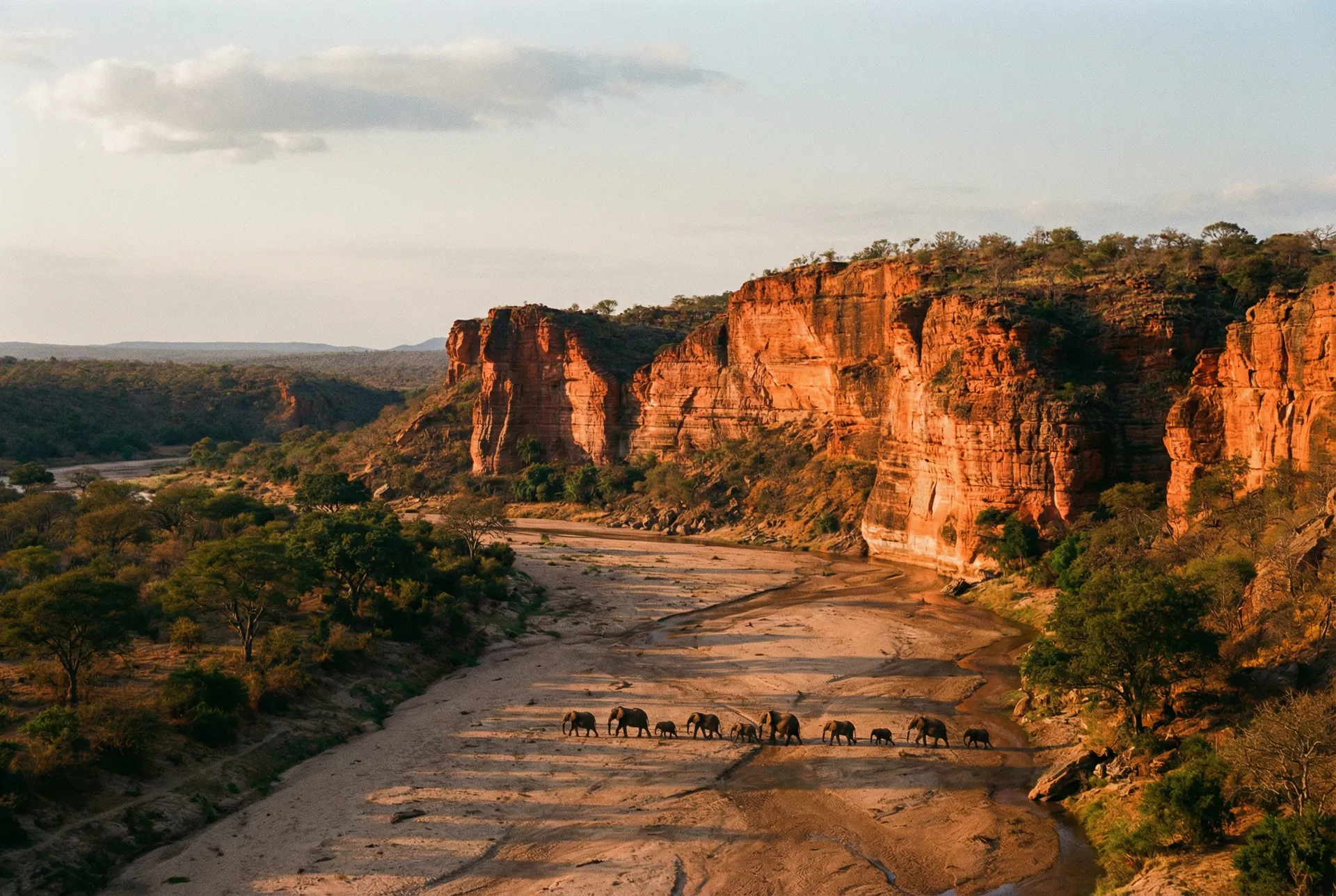
Hwange’s landscape is as diverse as its wildlife, a captivating mosaic of different ecosystems that support a rich variety of life. The southern part of the park is an extension of the Kalahari Desert, a vast, semi-arid landscape of sandy soils and sparse vegetation. Here, you’ll find resilient, drought-tolerant trees such as the Zambezi Teak and the Sand Camwood. The northern and northwestern parts of the park are dominated by mopane woodland, a classic African habitat that is favored by elephants and other browsers. Dotted throughout the park are granite koppies, ancient rock formations that provide a dramatic backdrop to the landscape and are a favorite haunt of leopards and klipspringers. The park’s most vital feature is its network of over 60 waterholes, many of which are artificially pumped during the dry season. These waterholes are a lifeline for the park’s wildlife, and they are where you’ll find the highest concentrations of animals, especially during the dry winter months. The seasonal wetlands, known as “vleis,” are another important feature of the park’s ecosystem. These grassy depressions fill with water during the rainy season, attracting a variety of water birds and providing a vital source of grazing for herbivores.
Safari Activities
- Game Drives: Embark on thrilling morning and afternoon game drives in open 4x4 vehicles, led by expert guides who will help you find and identify the park’s incredible wildlife.
- Walking Safaris: Immerse yourself in the sights, sounds, and smells of the African bush on a guided walking safari, a truly unforgettable experience.
- Night Drives: Discover the hidden world of Hwange’s nocturnal creatures on a guided night drive, an adventure that will reveal a different side of the African bush.
- Birdwatching: With over 400 species of birds, Hwange is a birdwatcher’s paradise. Grab your binoculars and a field guide and prepare to be amazed by the sheer diversity of avian life.
- Cultural Visits: Some lodges offer the opportunity to visit a local village, where you can learn about the culture and traditions of the local people and support community-based tourism initiatives.
Where It Is Located
Hwange National Park is situated in the northwestern part of Zimbabwe, making it easily accessible from the world-famous Victoria Falls. The park is approximately a two-hour drive south of Victoria Falls, along a well-maintained tar road. The nearest town to the park is Dete, which is located on the main railway line between Victoria Falls and Bulawayo. The most convenient way to get to Hwange is to fly into Victoria Falls International Airport (VFA), which has daily flights from Johannesburg (South Africa) and other regional hubs. From the airport, you can either take a road transfer to your lodge in Hwange, which takes about two to three hours, or you can take a short charter flight directly to one of the park’s airstrips. This is a more expensive but also more scenic option, offering breathtaking aerial views of the park’s vast landscapes.
Who This Destination Is Best For
Hwange National Park is a destination that has something to offer every type of traveler, from seasoned safari veterans to first-time visitors.
- First-time safari-goers: With its abundant wildlife, classic safari experiences, and easy accessibility, Hwange is an excellent choice for a first safari. The high concentration of animals around the waterholes in the dry season almost guarantees fantastic sightings.
- Families: Many lodges in Hwange are family-friendly, offering spacious accommodation, dedicated guides, and a range of activities to keep children of all ages entertained and engaged.
- Photographers: The sheer abundance of wildlife, the dramatic landscapes, and the golden light of the African sun make Hwange a photographer’s dream. The opportunities for capturing stunning images are endless.
- Luxury travelers: Hwange is home to a number of luxurious lodges and camps that offer a high level of comfort, service, and exclusivity. These lodges provide a perfect blend of adventure and indulgence.
- Adventure seekers: For those who crave a more adventurous and off-the-beaten-path experience, Hwange’s vast and remote wilderness will not disappoint. Walking safaris, in particular, offer a thrilling way to connect with the wild.
- Wildlife enthusiasts: If your primary goal is to see a wide variety of animals in their natural habitat, then Hwange is the perfect destination. The park’s incredible biodiversity and high density of wildlife will exceed your expectations.