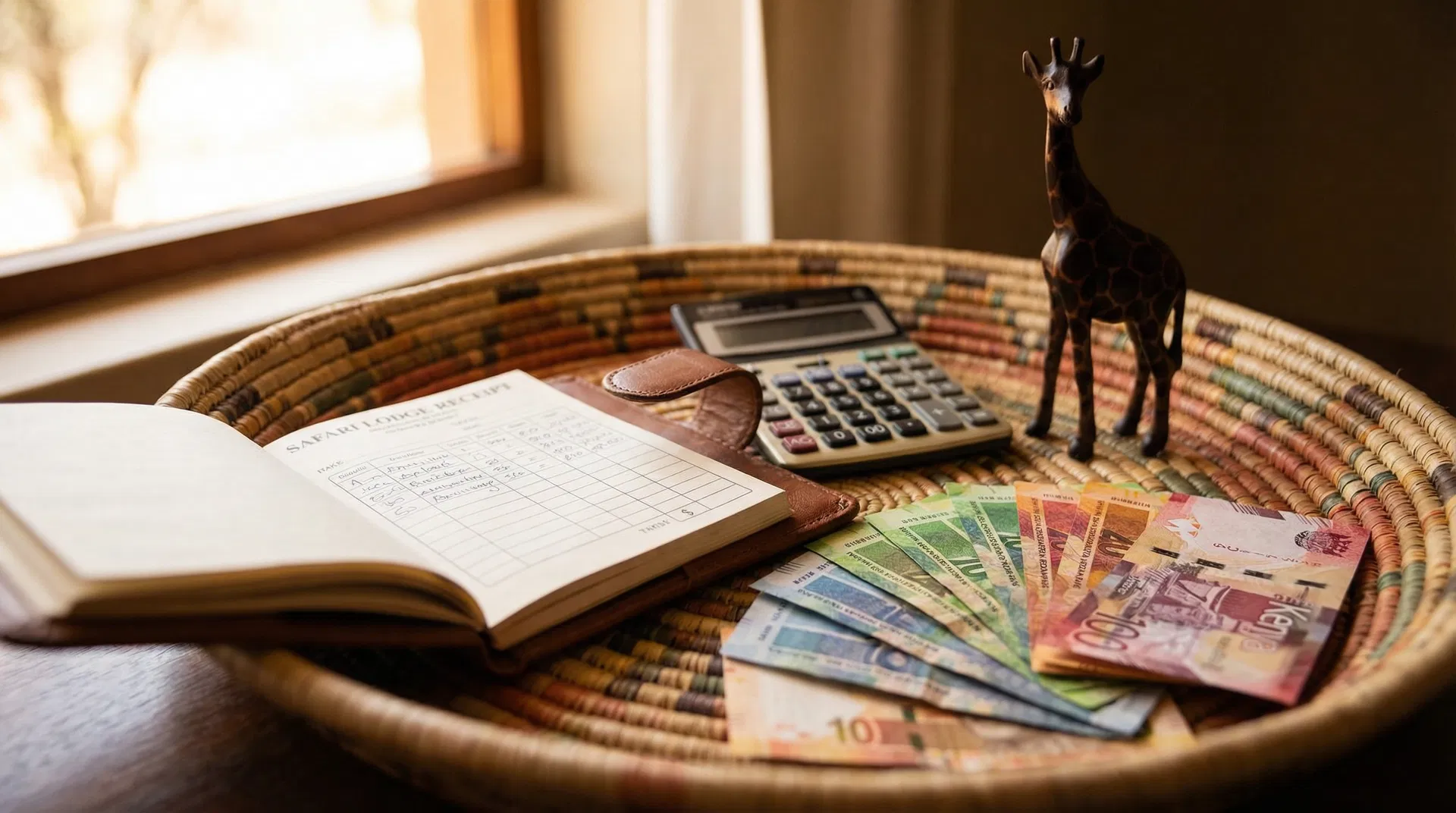
Learn how safari prices change with the seasons. Discover the best times to travel for lower costs and how to plan a budget-friendly African safari adventure.
''' When planning an African safari, one of the most significant factors influencing the overall cost is the time of year you choose to travel. The safari industry operates on a seasonal pricing model, with rates fluctuating based on demand, weather patterns, and wildlife viewing opportunities. Understanding these seasonal differences is key to planning a safari that aligns with your budget and expectations. Whether you are dreaming of witnessing the Great Migration in the Serengeti or exploring the Okavango Delta, the month you book your trip will have a substantial impact on the price you pay.
Understanding Safari Seasons: High, Low, and Shoulder
African safari destinations experience three primary seasons: high season, low season, and shoulder season. Each of these periods offers a distinct experience with its own set of advantages and disadvantages, and the pricing for accommodations, tours, and activities varies accordingly.
High Season (Peak Season)
High season, also known as peak season, is the most popular and expensive time to go on safari. This period typically coincides with the best weather conditions and optimal wildlife viewing opportunities. In many destinations, the high season falls during the dry months, when animals congregate around water sources, making them easier to spot. For example, the high season in Tanzania and Kenya runs from June to October, which aligns with the Great Migration. Similarly, Botswana's peak season is from July to October, when the Okavango Delta is in full flood.
Low Season (Green Season)
The low season, often referred to as the green season, is the least expensive time to travel. This period is characterized by rainy weather, which can make some roads impassable and wildlife viewing more challenging. However, the green season has its own unique appeal. The landscape is lush and vibrant, and it is a fantastic time for birdwatching. It is also the calving season for many species, offering the chance to see young animals. In destinations like the Serengeti, the low season from March to May offers dramatic skies and fewer crowds, providing a more intimate safari experience.
Shoulder Season
The shoulder season is the transitional period between the high and low seasons. It offers a middle ground in terms of both price and experience. The weather is generally pleasant, and wildlife viewing is still excellent, but the crowds are smaller than in the high season. For travelers looking for a balance of good value and a great safari experience, the shoulder season is often the ideal time to travel. In South Africa, for instance, the shoulder months of April, May, September, and October offer pleasant weather and lower prices than the peak summer months.
How Seasons Affect Safari Pricing
The seasonal pricing model affects nearly every aspect of your safari budget. From the cost of your lodge to the fees for guided tours, you can expect to see significant price variations depending on when you travel.
Accommodation and Lodge Rates
Accommodation is one of the largest expenses on a safari, and lodge rates are highly sensitive to seasonal demand. During the high season, lodges can charge double or even triple the rates of the low season. For example, a luxury tented camp in the Maasai Mara might cost $1,500 per person per night in August but only $700 in April. These price differences reflect the high demand for rooms during peak travel times.
Tour Operator and Guide Fees
Tour operators and guides also adjust their pricing based on the season. In the high season, the demand for experienced guides and well-maintained vehicles is at its peak, leading to higher costs. Conversely, in the low season, operators are often willing to offer discounts to attract travelers. Booking a private guided safari in the shoulder or low season can result in substantial savings.
Park Entrance Fees
While not all parks have seasonal pricing, some do adjust their entrance fees based on the time of year. In some cases, the difference can be significant. It is always a good idea to check the latest park fee schedules when planning your safari budget, as these fees can add up, especially if you are visiting multiple parks.
Not Sure Where to Start?
Start HereDestination-Specific Seasonal Price Variations
Seasonal price differences can vary significantly from one country to another. Understanding these regional nuances is essential for planning a cost-effective safari.
East Africa: Kenya and Tanzania
In Kenya and Tanzania, the high season is driven by the Great Migration, which takes place from June to October. This is the most expensive time to visit the Maasai Mara and the Serengeti. The low season, from March to May, is the wettest time of year and offers the lowest prices. The shoulder seasons, from January to February and from November to mid-December, provide a good balance of price and experience.
Southern Africa: Botswana and South Africa
Botswana is one of Africa's most exclusive safari destinations, and its prices reflect that. The high season, from July to October, is when the Okavango Delta is at its most spectacular, and prices are at their highest. The green season, from December to March, offers a more affordable way to experience Botswana, with lush landscapes and excellent birding. In South Africa, the pricing structure is more complex due to its varied climate. The summer months of December to February are the high season in Cape Town and the Garden Route, while the dry winter months of May to September are the best time for safaris in Kruger National Park.
Gorilla Trekking: Uganda and Rwanda
For gorilla trekking in Uganda and Rwanda, the pricing of permits is not seasonal. A gorilla trekking permit in Rwanda costs $1,500 per person, while in Uganda it is $700. However, the cost of accommodation and tours will vary depending on the season. The high season for gorilla trekking is during the dry months of June to September and December to February. The low season, during the rainy months of March to May and October to November, can offer lower prices on lodges and other services.
The Pros and Cons of Traveling in Each Season
Choosing the right season for your safari involves weighing the pros and cons of each period.
High Season: Pros and Cons
Pros: Excellent wildlife viewing, pleasant weather, and all areas of the parks are accessible. Cons: High prices, large crowds, and the need to book well in advance.
Low Season: Pros and Cons
Pros: Lower prices, fewer tourists, lush green landscapes, and the opportunity to see newborn animals. Cons: Rainy weather, some roads may be impassable, and wildlife can be harder to spot.
Shoulder Season: Pros and Cons
Pros: Good value, pleasant weather, good wildlife viewing, and fewer crowds than in the high season. Cons: The weather can be unpredictable, and some lodges may be closed for maintenance.
How to Save on Your Safari with Seasonal Travel
If you are looking to save money on your safari, timing is everything. By being strategic with your travel dates, you can enjoy a world-class safari experience without breaking the bank.
Book in the Shoulder Season
The shoulder season is the sweet spot for many travelers. You will get to enjoy many of the benefits of the high season, but at a fraction of the cost. The weather is still great for wildlife viewing, and you will not have to contend with the peak season crowds.
Consider the Green Season
Do not be too quick to dismiss the green season. If you are a keen photographer or an avid birdwatcher, this can be a magical time to be on safari. The dramatic skies, vibrant colors, and abundance of life make for a truly unique experience. Plus, the savings can be substantial.
Be Flexible with Your Destination
If your heart is set on a high-season safari, consider a destination that offers better value during that time. For example, instead of visiting the Serengeti during the Great Migration, you could explore South Africa's Kruger National Park, where the winter months offer excellent game viewing at a lower price point.
In conclusion, understanding the seasonal dynamics of safari pricing is a critical step in planning your African adventure. By aligning your travel dates with your budget and priorities, you can design a safari that delivers both incredible value and lifelong memories. Whether you choose the bustling high season, the tranquil low season, or the balanced shoulder season, Africa's wild places are waiting to be discovered. '''
Explore Related Topics
Recommended Reading
 Safari Comparison Articles
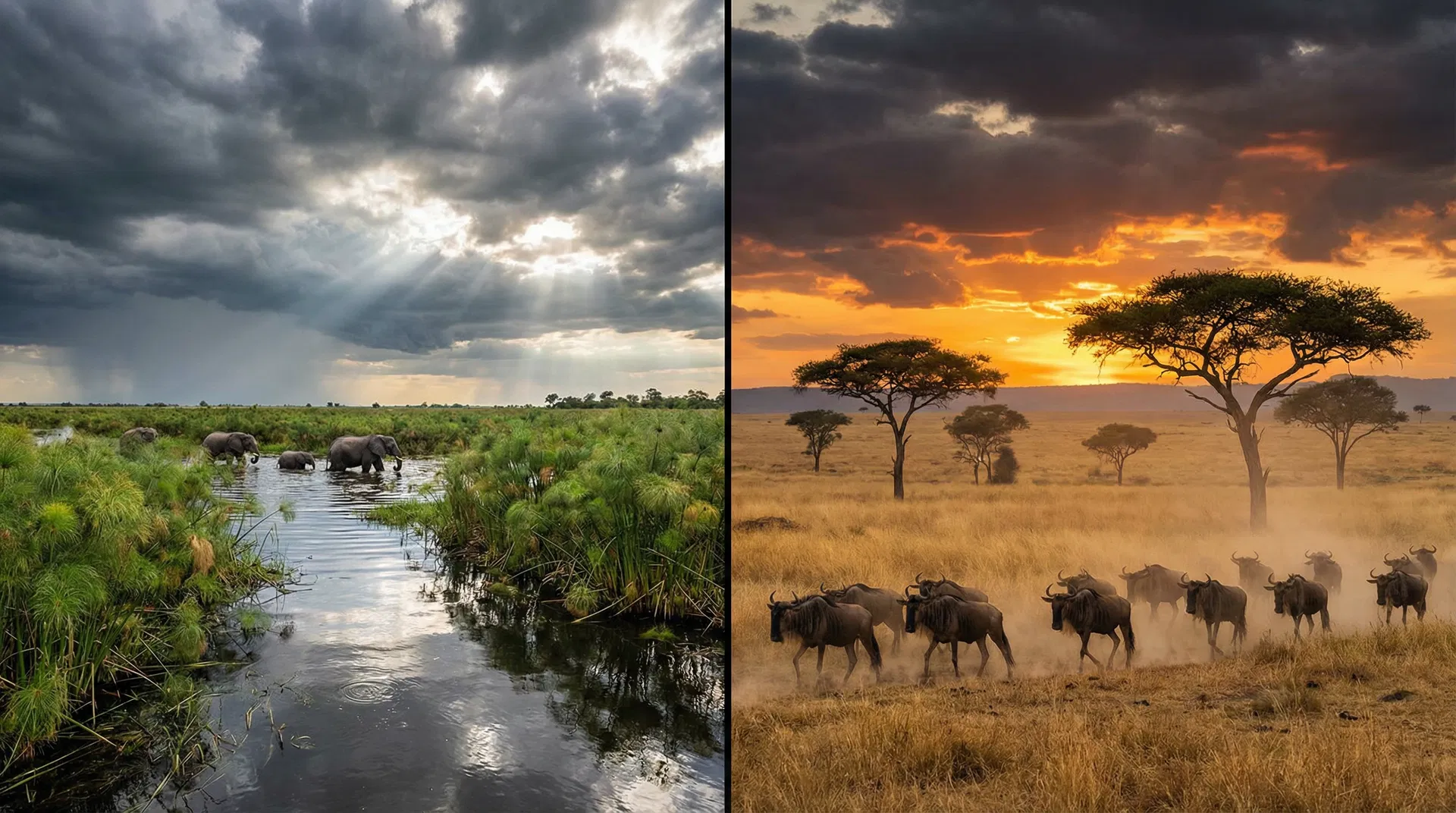
Rainy Season Safari vs Dry Season Safari
An in-depth comparison of Rainy Season Safari vs Dry Season Safari to help you choose the perfect safari experience. Explore the pros, cons, and key differences
2 min read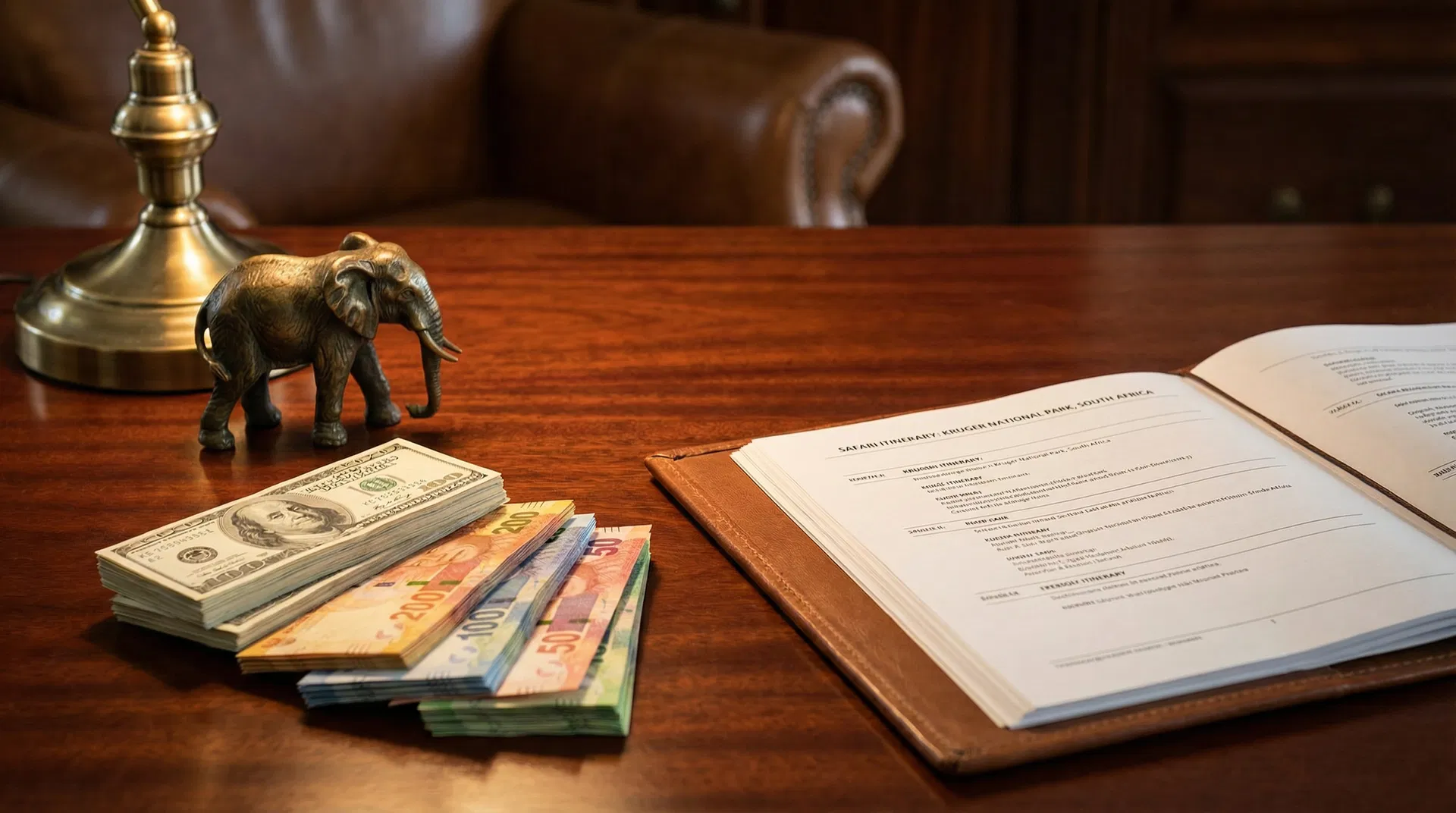 Safari Cost Guides
Safari Cost Comparison Dry Season vs Green Season
Learn about safari cost comparison dry season vs green season in this comprehensive safari guide covering key insights and practical advice.
5 min readSafari Cost GuidesHow Fuel Prices Affect Safari Costs
Learn about how fuel prices affect safari costs in this comprehensive safari guide covering key insights and practical advice.
5 min readSafari Comparison ArticlesDry Season vs Green Season Safari Comparison
Learn about dry season vs green season safari comparison in this comprehensive safari guide covering key insights and practical advice.
5 min read Safari Planning Guides
How to Plan a Safari During the Green Season
Discover how to plan your dream safari with our expert guide on How to Plan a Safari During the Green Season. Get tips on destinations, costs, and more.
8 min readSafari Planning GuidesHow to Plan a Safari During Peak Season
Discover how to plan your dream safari with our expert guide on How to Plan a Safari During Peak Season. Get tips on destinations, costs, and more.
8 min read