Explore the future of safari tourism, from sustainable travel and tech-enhanced experiences to new luxury definitions. Plan your next adventure with insight.
African safari tourism is at a crossroads, balancing decades of tradition with a future shaped by new technologies, evolving traveler expectations, and a growing urgency for conservation. The classic image of a khaki-clad tourist in a Land Rover remains, but the industry is undergoing a profound transformation. Today's travelers are increasingly seeking more than just a checklist of Big Five sightings; they desire authentic, sustainable, and deeply personal experiences. This shift is driving innovation across the continent, from the savannas of Kenya to the deserts of Namibia, forcing operators to rethink everything from camp design to the very definition of a "safari." The future of safari tourism is not just about seeing animals; it's about participating in their preservation, connecting with local cultures, and traveling with a lighter footprint. For you, the traveler, this means more choices, deeper experiences, and a greater role in the conservation economy.
The Rise of Slow and Sustainable Safaris
The future of safari is moving away from the whirlwind, multi-park itineraries of the past. In its place, "slow safaris" are gaining traction, encouraging travelers to spend more time in a single location, fostering a deeper connection with the wilderness. This approach prioritizes quality over quantity, allowing for a more relaxed pace and a greater appreciation for the nuances of the ecosystem. Instead of rushing from one park to another, you might spend a week at a single conservancy in Kenya, like the Maasai Mara, getting to know the resident lion pride and learning the individual stories of the elephants from your guide.
The Shift to Conscious Travel
Sustainability is no longer a niche interest; it is a core expectation for a growing number of travelers. This goes beyond simply reusing towels and avoiding plastic bottles. The new standard for safari lodges and camps involves a holistic approach to conservation and community development. This includes everything from solar power and waste recycling to sourcing food from local farms and supporting community-owned enterprises. For example, lodges in Botswana's Okavango Delta are renowned for their low-impact designs and significant contributions to conservation, with a high-value, low-volume tourism model that minimizes environmental impact while maximizing revenue for preservation efforts.
Conservation as a Shared Responsibility
Modern travelers are increasingly looking for ways to contribute directly to conservation. This has led to a rise in participatory experiences, where you can actively engage in conservation work. This might involve tracking rhinos on foot with an anti-poaching unit in Zimbabwe, helping to collar a lion for research purposes in Uganda, or participating in a giraffe census in a private Namibian reserve. These experiences transform a passive holiday into an active contribution, creating a powerful emotional connection and a lasting sense of purpose.
Technology-Enhanced Safari Experiences
While the safari experience is rooted in nature, technology is playing an increasingly important role in enhancing everything from planning to wildlife viewing. High-quality online resources, virtual reality tours, and sophisticated booking platforms are making it easier than ever to research and plan your perfect trip. On the ground, technology is being used to enrich the safari experience itself.
The Role of Digital Tools in the Wild
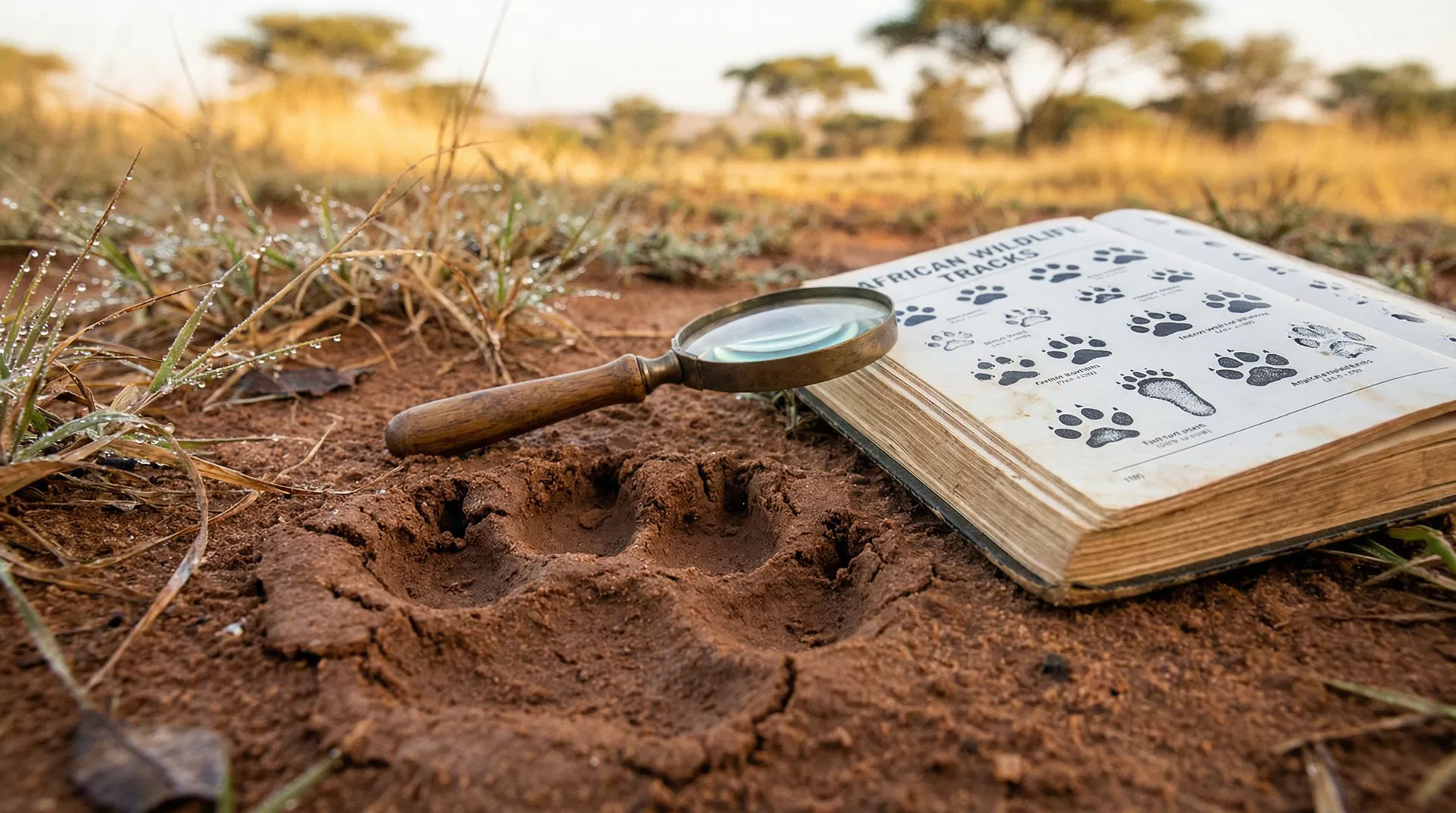
Guides are now using tablets with specialized apps to identify animal tracks, access databases of bird calls, and share information about animal behavior in real-time. Some safari vehicles are even equipped with "smart" binoculars that can identify species and provide information about them. Furthermore, the use of drones for conservation purposes, such as monitoring wildlife populations and tracking poachers, is becoming more common, and in some cases, this technology is being used to offer guests a unique aerial perspective of the landscape.
The Rise of the "Smart" Safari Lodge
Safari lodges are also embracing technology to improve the guest experience and reduce their environmental footprint. This includes everything from sophisticated energy management systems to in-room tablets that allow you to learn about the local ecosystem, identify the birds you see from your veranda, and even track the movements of collared animals in the area. This technology is not intended to detract from the natural experience but to enhance it, providing a deeper layer of information and engagement.
Planning a safari?
Start the Safari Planning System →The New Definition of Luxury and Exclusivity
The concept of luxury in the safari world is also evolving. While high-end lodges with private plunge pools and gourmet meals still have their place, the new definition of luxury is increasingly focused on privacy, exclusivity, and unique experiences. Travelers are willing to pay a premium for access to private conservancies, where they can enjoy wildlife viewing without the crowds that can sometimes be found in national parks.
Private Conservancies: The Ultimate in Exclusivity
Private conservancies, such as those bordering the Serengeti in Tanzania or the Maasai Mara in Kenya, offer a level of exclusivity that is simply not possible in public parks. With a limited number of lodges and vehicles, you can enjoy a more intimate and personal safari experience. These conservancies also offer a wider range of activities, such as night drives, guided bush walks, and off-road driving, which are often not permitted in national parks.
The Allure of Remote and Untouched Wilderness
There is also a growing trend towards exploring more remote and less-visited destinations. While the classic safari destinations of East and Southern Africa will always be popular, adventurous travelers are increasingly looking to explore the wild frontiers of countries like Zambia, Zimbabwe, and the Central African Republic. These destinations offer a sense of pioneering adventure and the opportunity to see wildlife in a truly untouched environment.
The Challenges and Opportunities Ahead
The future of safari tourism is not without its challenges. Overtourism in popular parks, the threat of "conservation-washing" (where lodges make unsubstantiated claims about their environmental credentials), and the ongoing need to ensure that local communities benefit from tourism are all significant issues that the industry must address.
Addressing Overtourism and Its Impact
Overtourism is a growing concern in some of Africa's most famous parks, such as the Ngorongoro Crater in Tanzania and parts of the Maasai Mara in Kenya. The high concentration of vehicles can disrupt animal behavior and detract from the wilderness experience. In response, many countries are implementing stricter regulations, such as limiting the number of vehicles allowed in certain areas and promoting tourism in less-visited parks.
The Importance of Authentic Community Engagement
For safari tourism to be truly sustainable, it must provide tangible benefits to local communities. This means moving beyond token gestures and creating genuine partnerships that empower local people. This can include everything from supporting community-owned lodges and cultural tourism enterprises to providing education and healthcare services. When you choose a safari operator that is committed to community development, you are helping to ensure that the people who live alongside the wildlife also benefit from its protection.
In conclusion, the future of safari tourism is a dynamic and exciting landscape of innovation and change. As a traveler, you have the power to shape this future by making conscious choices about where you go, who you travel with, and how you engage with the places you visit. By embracing the principles of slow, sustainable, and responsible travel, you can not only have a more meaningful and memorable safari experience but also play a vital role in protecting Africa's precious wildlife and wild places for generations to come.
Explore Related Topics
Recommended Reading
 Expert Safari Knowledge
Evolution of Safari Tourism
Trace the evolution of safari tourism from colonial hunting trips to modern conservation-led adventures. Learn how to plan a responsible and ethical safari.
8 min read Safari Advisor Content
The Future of Safari Advisory Services
Learn all about The Future of Safari Advisory Services. An in-depth guide for your next safari adventure.
1 min read Safari Operator Articles
Future Trends in Safari Operations
Learn about future trends in safari operations and how it can impact your safari experience. Get expert advice and start planning your dream safari today.
8 min readSafari Advisor ContentSafari Advisor vs Tour Operator – Key Differences
Discover the essentials of safari advisor vs tour operator – key differences for an unforgettable African safari adventure.
8 min read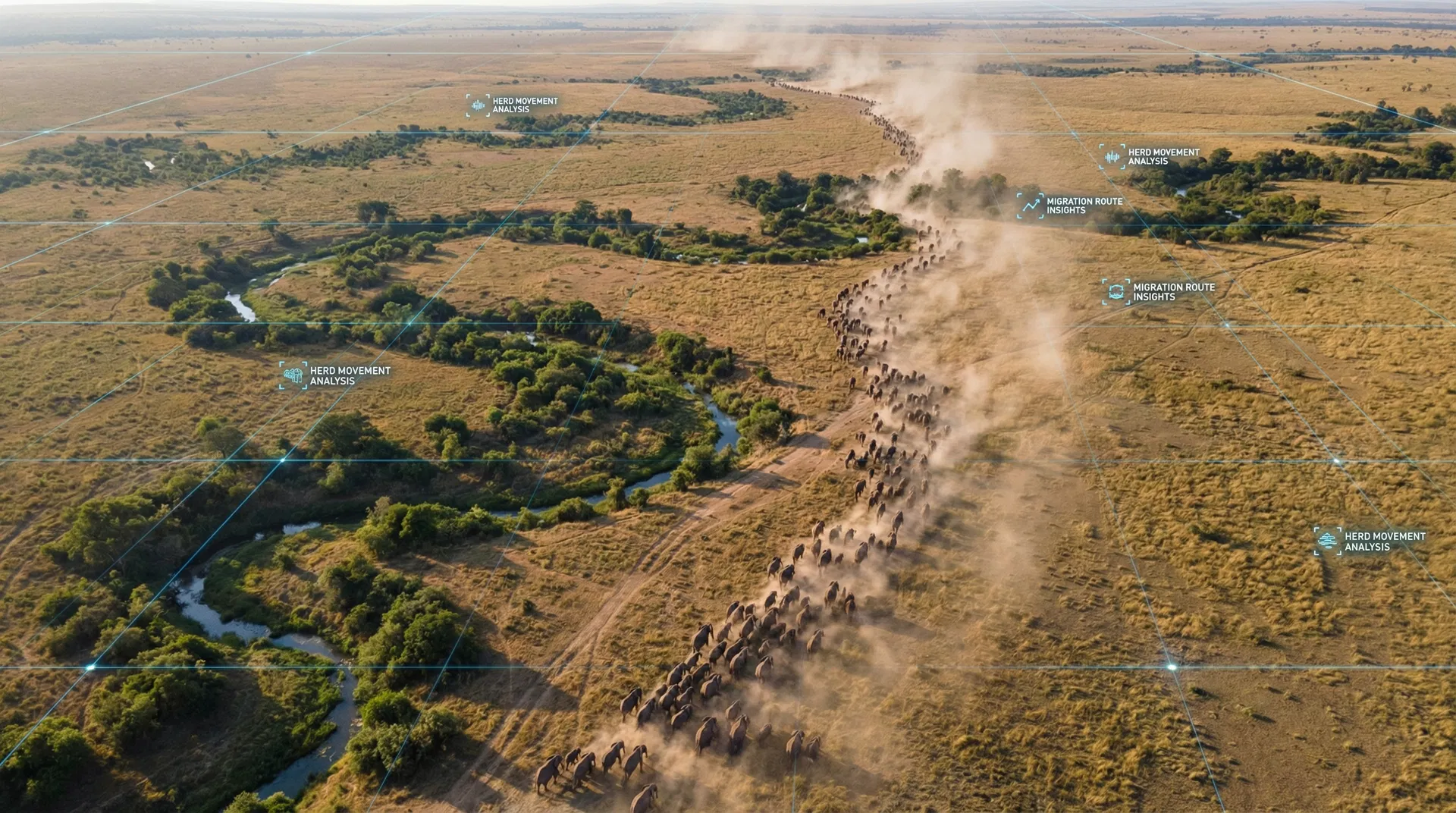 Safari Intelligence Insights
Safari Guest Experience Design
Discover the art of safari guest experience design. Learn how expert advisors craft seamless, personalized journeys by understanding travelers and balancing pace.
7 min readSafari Intelligence InsightsSafari Planning for Luxury Travelers
Plan the ultimate luxury safari with our expert guide. Discover top destinations, essential planning tips, and what defines a truly exclusive African adventure.
6 min read