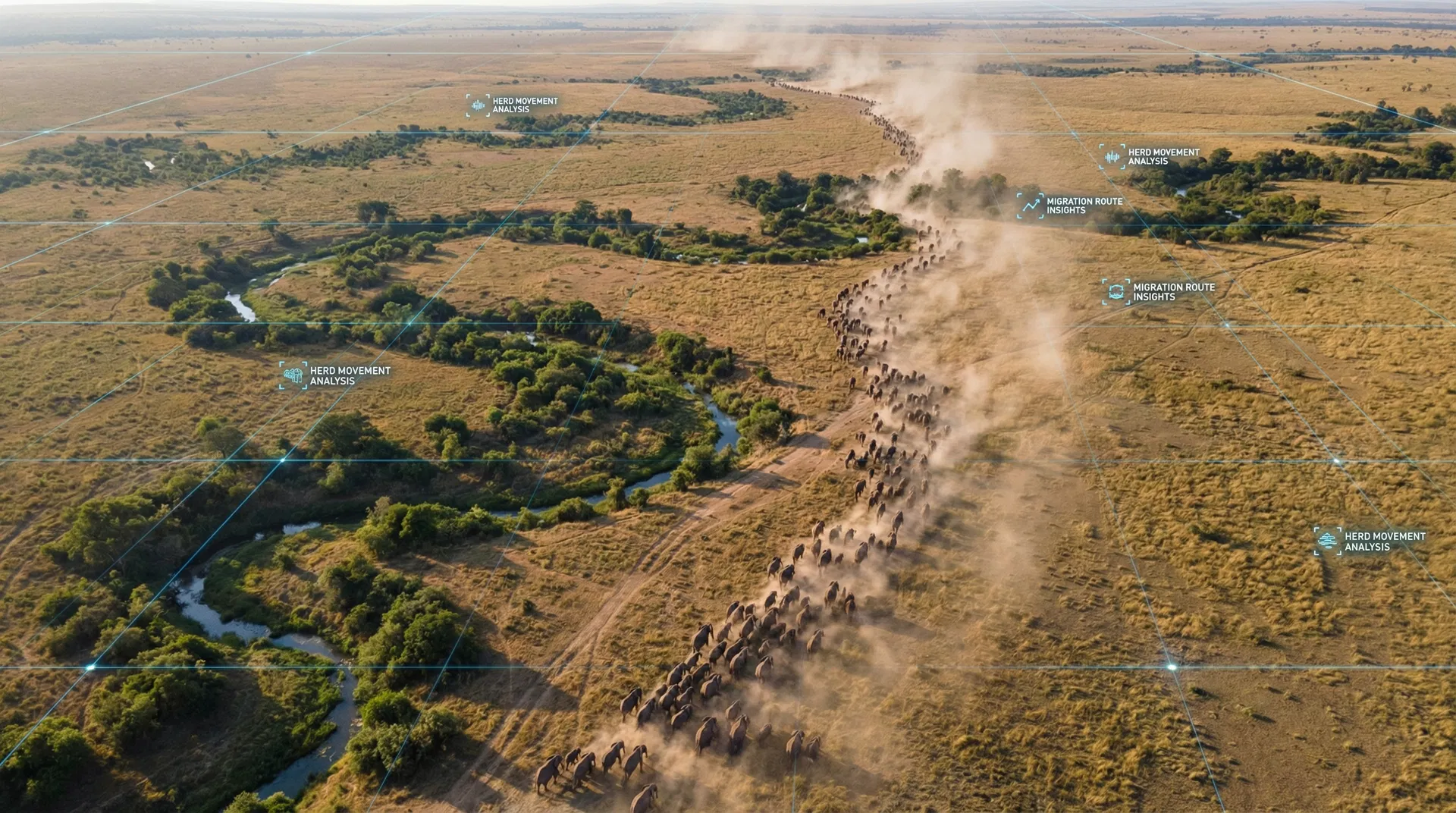
Understand how safari operators work, from local DMCs to planners and lodges. Learn the roles of each and how to choose the right partners for your African safari.
''' Planning an African safari is an exciting endeavor, but it can also be a confusing one. The safari industry is a complex ecosystem of different companies, each with a specific role to play in creating your dream trip. Terms like "safari operator," "planner," "agent," and "DMC" are often used interchangeably, but they represent distinct functions. Understanding how these pieces fit together is the first step toward planning a seamless, safe, and unforgettable safari experience. This guide will demystify the world of safari operators, explaining who does what, how they work together, and how you can choose the right partners for your journey.
The Safari Ecosystem: Planners, Operators, and Lodges
At its core, the safari industry is built on a partnership between three key players: safari planners, local operators, and lodges. While their functions can sometimes overlap, they each have a primary role in the safari supply chain. Think of it as a team effort, where each member contributes their specialized skills to deliver a high-quality experience.
Safari Planners and Travel Agents
Safari planners and specialized travel agents are the architects of your safari. They are destination experts who work with you to design a custom itinerary based on your interests, budget, and travel style. They don't own the safari vehicles or employ the guides on the ground in Africa. Instead, they act as your advocate and single point of contact, coordinating all the moving parts of your trip.
Local Safari Operators (DMCs)
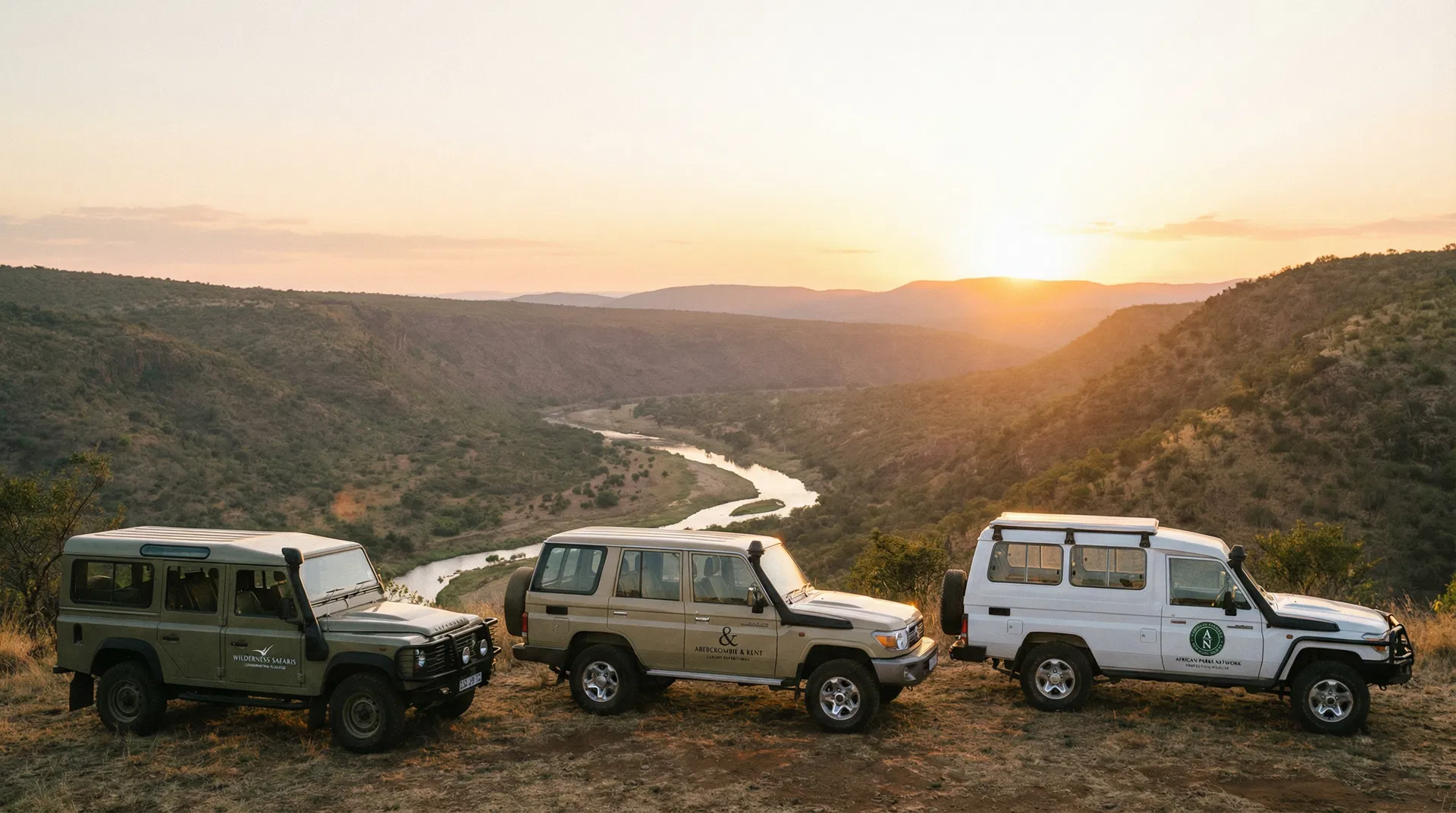
Local safari operators, often called Destination Management Companies (DMCs), are the on-the-ground experts. These are the companies based in Africa that own and maintain the fleet of safari vehicles, employ the professional guides and trackers, and manage the day-to-day logistics of your safari. They are the ones who will meet you at the airport, take you on game drives, and ensure your safety and comfort throughout your journey.
Lodges and Camps
Lodges and camps provide your accommodation in the bush. They range from rustic tented camps to luxurious lodges with all the amenities. Some lodge brands also operate as vertically integrated safari companies, with their own vehicles, guides, and booking systems. In most cases, however, your safari planner or local operator will book your accommodation at a selection of independent or branded lodges that fit your itinerary and budget.
The Role of the Local Safari Operator (DMC)
The local safari operator, or DMC, is the heart of your safari experience. These are the companies that have the deep, localized knowledge and infrastructure to run a successful safari. When you are out in the Serengeti in Tanzania or the Maasai Mara in Kenya, it is the local operator's guide and vehicle that will be taking you on your game drives.
What a Local Operator Does
- Owns and Maintains Vehicles: A reputable local operator will have a fleet of well-maintained 4x4 safari vehicles, specially adapted for game viewing.
- Employs Professional Guides: The quality of your guide is one of the most important factors in your safari experience. Local operators invest heavily in training and retaining the best guides.
- Manages Logistics: From airport transfers and park entry fees to bush lunches and emergency support, the local operator handles all the on-the-ground logistics.
- Ensures Safety: Local operators are responsible for your safety and have established protocols for everything from vehicle breakdowns to medical emergencies.
Working with a Local Operator
It is possible to book directly with a local operator, and this can sometimes be a more budget-friendly option. However, it also requires more research and due diligence on your part. You will need to vet the operator's credentials, insurance, and safety record yourself. You will also be responsible for arranging your own international flights and any pre- or post-safari accommodation.
Planning a safari?
Start the Safari Planning System →Safari Planners and Travel Agents: Your Expert Guides
A good safari planner or specialized travel agent can be an invaluable partner in planning your trip. They bring a wealth of knowledge and experience to the table, helping you navigate the complexities of the safari world and create an itinerary that is perfectly tailored to your needs.
The Value of a Safari Planner
- Expertise and Unbiased Advice: A good planner will have firsthand knowledge of the destinations, lodges, and operators they recommend. They can offer unbiased advice and help you choose the best options for your trip.
- Custom Itinerary Design: Planners will work with you to create a unique itinerary that matches your interests, whether you are a first-time visitor or a seasoned safari-goer.
- Vetting and Quality Control: One of the most important roles of a planner is to vet the local operators and lodges they work with. They have established relationships with trusted partners on the ground, ensuring you are in safe and capable hands.
- A Single Point of Contact: If anything goes wrong during your trip, your planner is your single point of contact and advocate. They will work with the local operator to resolve any issues quickly and efficiently.
Does it Cost More to Use a Planner?
One of the biggest myths about using a safari planner is that it costs more. In most cases, it does not. Planners typically work on a commission basis, which is paid by the local operators and lodges, not by you. The price you pay is usually the same as if you were to book directly. The difference is that you get the benefit of their expertise, advocacy, and peace of mind at no extra cost.
Lodge Brands and Collections: The All-in-One Experience
Some of the larger, more established lodge brands operate as fully integrated safari companies. This means they own and manage their own collection of lodges and camps, as well as their own fleet of vehicles and team of guides. This model offers a high level of consistency and quality control, but it can also be less flexible than working with an independent planner or operator.
The Pros and Cons of Booking with a Lodge Brand
- Pros: High-quality, consistent experience; seamless logistics; often located in prime wildlife viewing areas.
- Cons: Can be more expensive; less flexibility to mix and match lodges from different brands; may have a more "corporate" feel.
How the Booking Process Works: From Inquiry to Itinerary
So, how does it all come together? Here is a typical step-by-step guide to the safari booking process:
- Initial Inquiry: You contact a safari planner or local operator with your initial ideas for a trip.
- Consultation and Itinerary Design: The planner will schedule a call to discuss your interests, budget, and travel style in more detail. They will then create a sample itinerary and quote for you to review.
- Refinement and Booking: You will work with the planner to refine the itinerary until it is perfect. Once you are happy with the plan, you will pay a deposit to confirm your booking.
- Confirmation and Pre-Departure Information: The planner will then book all the components of your trip with the local operator and lodges. They will send you a confirmation package with all the details of your trip, as well as pre-departure information on everything from packing lists to visa requirements.
- On-the-Ground Experience: When you arrive in Africa, you will be met by the local operator, who will manage all the logistics of your safari from start to finish.
Choosing the Right Partner for Your Safari
Choosing the right safari company is one of the most important decisions you will make in planning your trip. Here are a few questions to ask to help you find the right partner:
- Are you a planner or a local operator? This will help you understand their role in the process.
- How long have you been in business? Look for established companies with a proven track record.
- Can you provide references from past clients? A reputable company will be happy to share testimonials.
- What is your safety and emergency protocol? Your safety should be their top priority.
- Are you a member of any professional associations? Membership in organizations like the American Society of Travel Advisors (ASTA) or the Association for the Promotion of Tourism to Africa (APTA) can be a sign of a reputable company.
Ultimately, the best safari partner for you will depend on your individual needs and preferences. By understanding the different players in the safari industry and asking the right questions, you can find a trusted partner who will help you create the safari of a lifetime. '''
Explore Related Topics
Recommended Reading
 Safari Operator Articles
How Safari Operator Pricing Works
An inside look at how safari operators price their trips and what is included in the cost of a safari.
9 min readSafari Operator ArticlesHow Safari Operator Commissions Work
An explanation of how safari operator commissions work and how they can affect the price of your safari.
8 min readSafari Operator ArticlesInternational Safari Operators vs Local Safari Operators
A comparison of international and local safari operators to help you decide which is the right choice for your African safari.
9 min read Safari Comparison Articles
Safari With International Operator vs Local Operator
An in-depth comparison of Safari With International Operator vs Local Operator to help you choose the perfect safari experience. Explore the pros, cons, and key
2 min read Safari Advisor Content
How a Safari Advisor Helps You Choose the Right Operator
Discover the essentials of how a safari advisor helps you choose the right operator for an unforgettable African safari adventure.
8 min read Safari Planning
How to Choose a Safari Operator
Learn how to choose a reputable African safari operator with our expert guide. We cover vetting companies, questions to ask, and understanding safari costs.
8 min read