A complete guide to Complete Guide to Marsabit National Park. Learn about the wildlife, activities, and best time to visit this amazing destination.
A Green Paradise in the Desert
Marsabit National Park is a forested oasis in the middle of the arid landscapes of northern Kenya. The park is centered around an extinct volcano, whose slopes are covered in a dense, mist-shrouded forest. This unique ecosystem is a haven for a variety of wildlife, including the famous "tuskers" of Marsabit. For more on unique ecosystems, visit our knowledge center.
The Legendary Tuskers
Marsabit is famous for its legendary "tuskers," elephants with enormous tusks that reach the ground. In the 1970s, the park was home to a number of these magnificent animals, including the famous Ahmed, who was placed under presidential protection. While the great tuskers are now gone, their descendants still roam the forests of Marsabit. Our safari advisors can tell you more about the history of these incredible elephants.
Not Sure Where to Start?
Start HereA Birdwatcher's Dream
The forests of Marsabit are a paradise for birdwatchers, with a number of rare and endemic species. The park is also home to three beautiful crater lakes, which attract a variety of water birds. A visit to Marsabit is a chance to see a different side of Kenya, away from the more famous safari destinations. Explore more birdwatching destinations on our website.
Planning Your Marsabit Adventure
Marsabit is a remote and challenging destination, but for the adventurous traveler, it offers a unique and rewarding experience. The best time to visit is during the dry season, from June to October. The park is accessible by road from Nairobi, but the journey is long and requires a 4x4 vehicle. To get an idea of the costs for a trip to Marsabit, use our cost calculator. Our team can help you plan an off-the-beaten-path adventure to this forested oasis.
Beyond the Elephants: A Unique Assemblage of Wildlife
While the elephants of Marsabit are legendary, the park’s isolation has also created a sanctuary for a unique collection of northern Kenya’s arid-adapted species. This is one of the few places where visitors can see the endangered Grevy's zebra, with its distinctive narrow stripes and large, rounded ears. Unlike the common plains zebra, the Grevy's zebra is taller and has a more mule-like appearance.
The park is also a stronghold for the reticulated giraffe, another species primarily found in northern Kenya. Its beautiful coat of polygonal, liver-colored spots outlined by a network of brilliant white lines is a breathtaking sight against the green backdrop of the forest. Other notable residents include the elegant Beisa oryx, the long-necked gerenuk (which can often be seen standing on its hind legs to browse), and the shy lesser kudu. The presence of these species makes a visit to Marsabit a unique safari experience, distinct from what you might find in the more famous parks of southern Kenya.
The Legacy of Ahmed: A Presidential Decree
No story of Marsabit is complete without a deeper look at Ahmed, the magnificent tusker who became a symbol of Kenya's conservation efforts. Born in 1919, Ahmed roamed the forests of Mount Marsabit for decades. His tusks were so long and heavy—each weighing over 150 pounds (68 kg)—that they almost scraped the ground as he walked.
In the early 1970s, as poaching for ivory decimated elephant populations across Africa, a campaign to protect Ahmed was launched by Kenyan schoolchildren. The campaign gained national attention, and in 1970, President Jomo Kenyatta issued a presidential decree placing Ahmed under the protection of the state. He was declared a living monument, and two armed rangers were assigned to guard him around the clock. Ahmed lived out his natural life, dying of old age at 55. His body was found resting in the forest, and his magnificent tusks were preserved. Today, a life-size replica of Ahmed stands in front of the National Museum of Kenya in Nairobi, a powerful reminder of the country's commitment to protecting its natural heritage.
Navigating the Northern Frontier: Getting to Marsabit
A journey to Marsabit National Park is an adventure in itself, a true expedition into Kenya's remote and beautiful northern frontier. The primary route is by road from Nairobi, a journey of approximately 560 kilometers (350 miles) that requires careful planning. The drive as far as the town of Isiolo, the gateway to the north, is on good tarmac and takes about 5-6 hours. From Isiolo, the character of the road changes dramatically. The stretch to Marsabit is rough, often corrugated, and can be challenging, especially after heavy rains. A sturdy, well-maintained 4x4 vehicle is not just recommended, it is essential for this part of the journey, which can take anywhere from 6 to 8 hours.
For those not wishing to self-drive, several reputable safari operators specialize in northern Kenya expeditions and can provide a vehicle and experienced driver-guide. Alternatively, for those short on time, it is possible to fly. The closest major airstrip is in Marsabit town itself, which can be serviced by private charter flights. From the airstrip, it is a short drive into the national park. Our safari advisors can assist in arranging either a road-based or fly-in safari to suit your preferences and budget.
Accommodation Inside the Park: Marsabit Lodge
Perched on the edge of a volcanic crater lake, often shrouded in mist, lies the only accommodation within the park itself: Marsabit Lodge. This location offers an unparalleled experience, with wildlife, including elephants and buffalo, frequently visiting the waterhole directly in front of the lodge. The lodge consists of 24 en-suite rooms, including single, twin, double, and triple configurations. While the facilities are simple and reflect the remoteness of the location, the views and atmosphere are exceptional.
A communal veranda runs the length of the lodge, providing a perfect vantage point for game viewing at any time of day. Waking up to the sounds of the forest and watching the mist rise off the crater lake is a truly magical experience. Due to its unique position as the sole lodge inside the park, booking in advance is highly recommended, especially during the peak dry season from June to October.
Practicalities for Your Expedition
Planning a trip to a remote destination like Marsabit requires attention to detail. The park fees, set by the Kenya Wildlife Service (KWS), are a key consideration. As of 2024, for non-resident adults, the fee is approximately $40 USD per person for a 24-hour period. These fees are subject to change, so it is always wise to check the latest KWS fee schedule before you travel. For more information on park fees across the country, see our comprehensive destination guides.
It is also important to be aware of the security situation in the region. The northern frontier can be subject to instances of banditry and cross-border tensions. For this reason, it is crucial to travel with a reputable operator who has up-to-date local knowledge. Many governments issue travel advisories for this region, so checking with your home country's foreign office before travel is a sensible precaution. Traveling in a convoy of at least two vehicles is a standard safety measure for this part of Kenya.
Not Sure Where to Start?
Take our guided safari quiz and get a personalized starting point based on your interests, budget, and travel style.
Ready to plan? Use our step-by-step system to turn your research into a real safari trip.
Start the Safari Planning SystemRelated Planning Guides
Recommended Reading
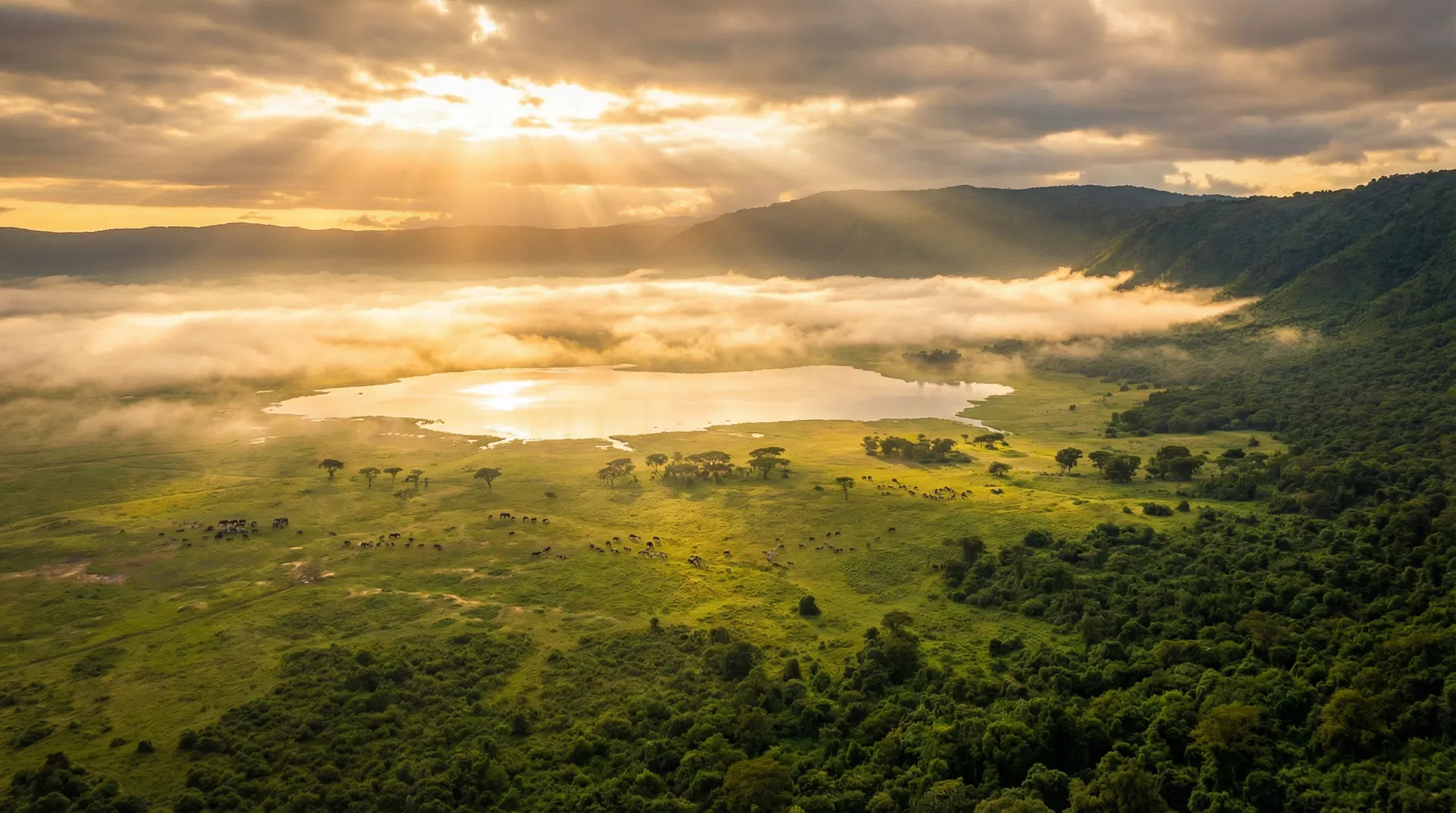 Destination Guides
Complete Guide to Table Mountain National Park
A complete guide to Complete Guide to Table Mountain National Park. Learn about the wildlife, activities, and best time to visit this amazing destination.
Destination GuidesComplete Guide to Nyerere National Park
Learn about complete guide to nyerere national park in this comprehensive safari guide.
Destination GuidesComplete Guide to Loango National Park Gabon
Discover everything you need to know about Complete Guide to Loango National Park Gabon. From wildlife and landscapes to lodges and activities, this guide cover
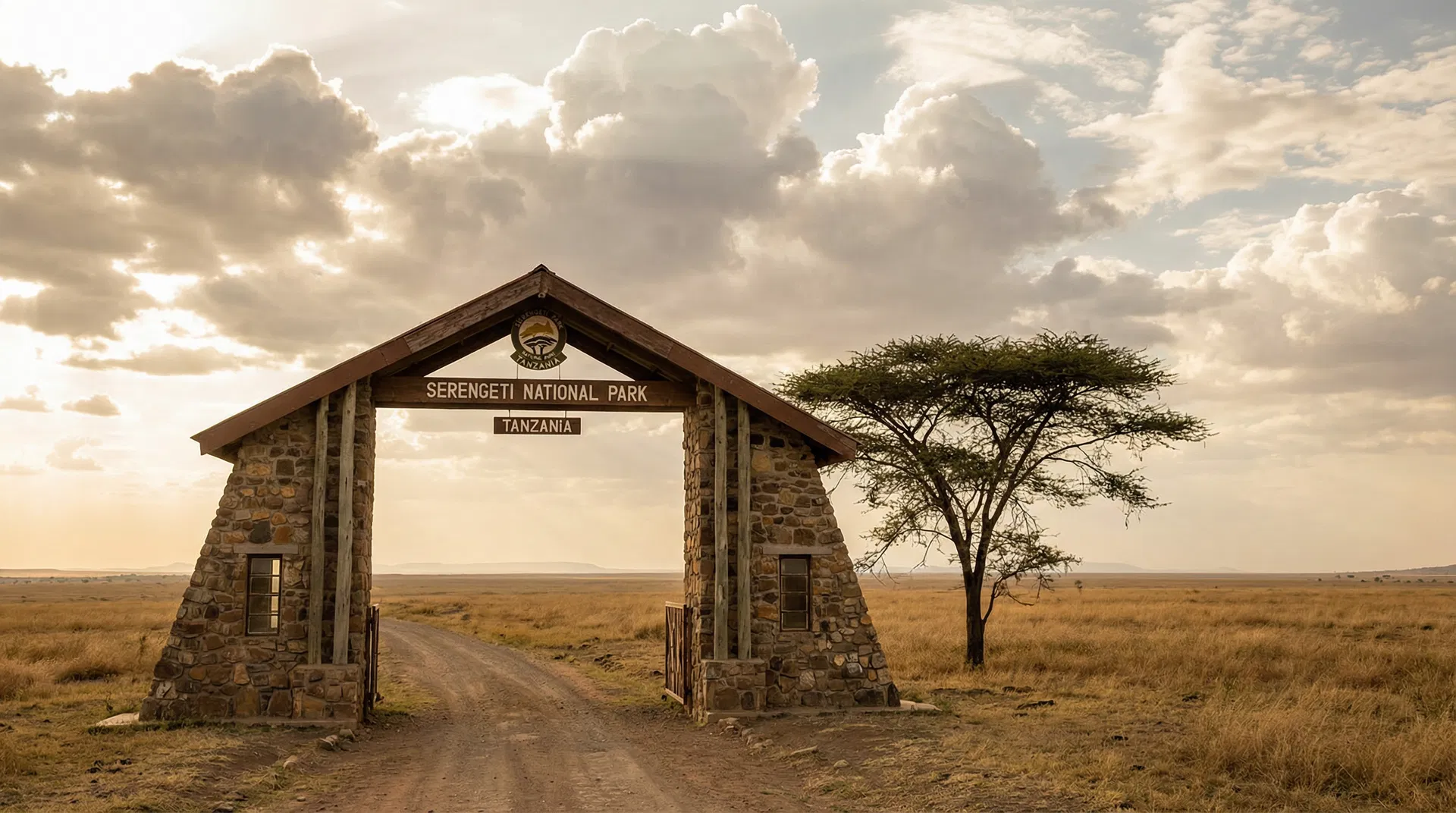 National Park Guides
Serengeti National Park Guide
Explore the wonders of Serengeti National Park with our expert guide. Learn about the Great Migration, wildlife, and planning your unforgettable Tanzanian safari.
National Park GuidesKruger National Park Guide
Discover the ultimate guide to Kruger National Park. Learn about its incredible wildlife, the best time to visit, and how to plan your dream safari adventure.
National Park GuidesChobe National Park Guide
Discover the ultimate guide to Chobe National Park, Botswana\